HOPESPOT
DESURBS – DESIGNING SAFER URBAN SPACES
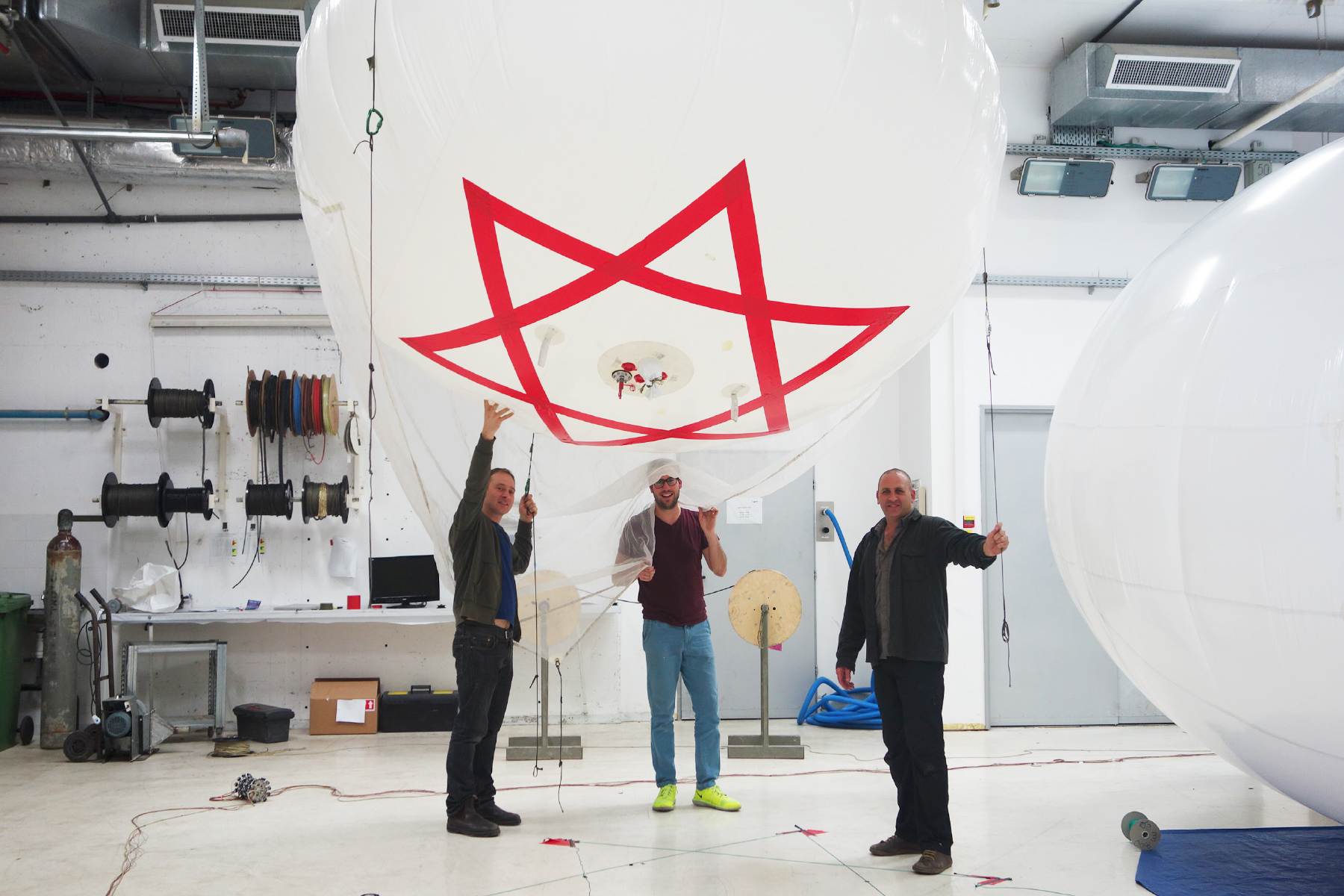
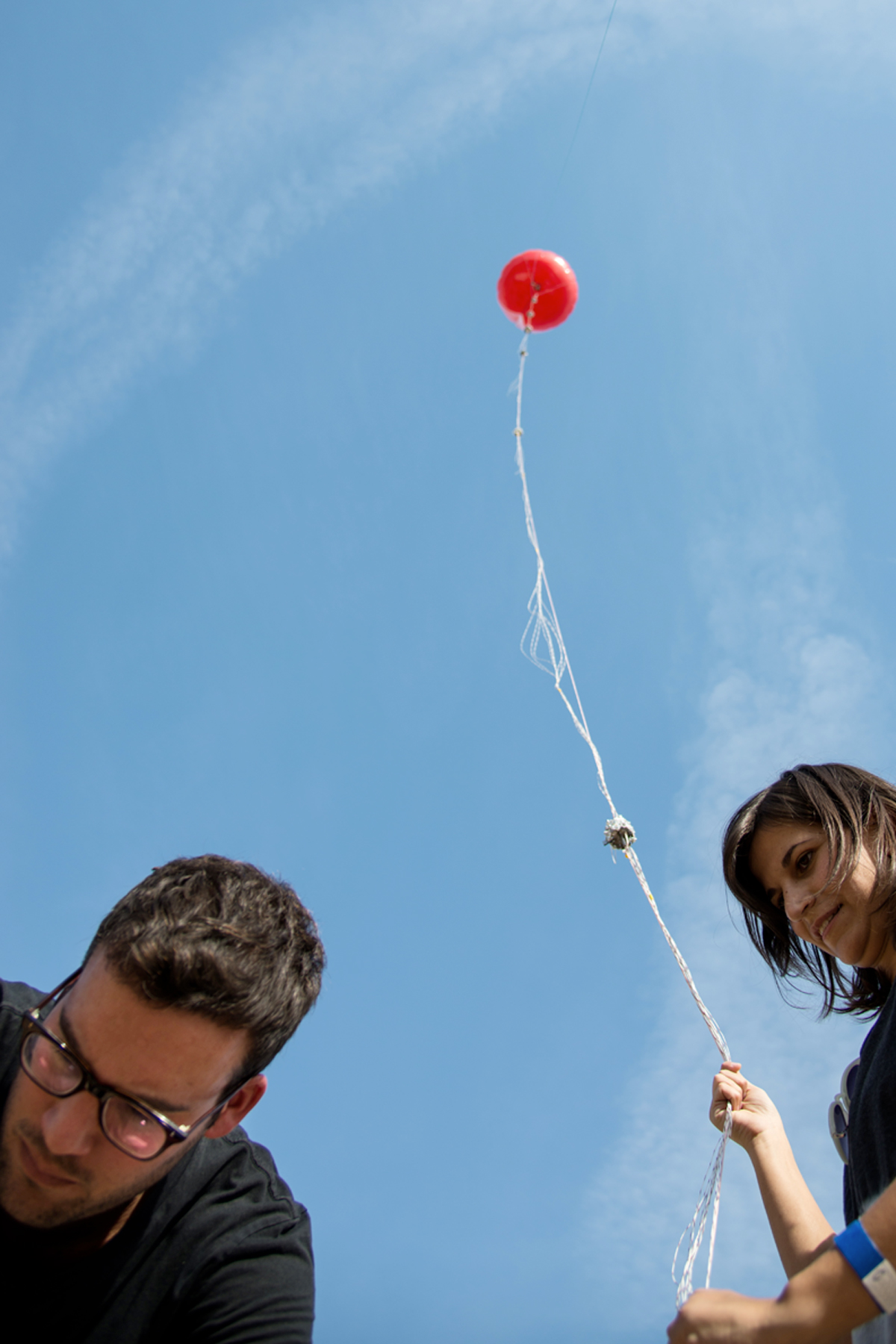
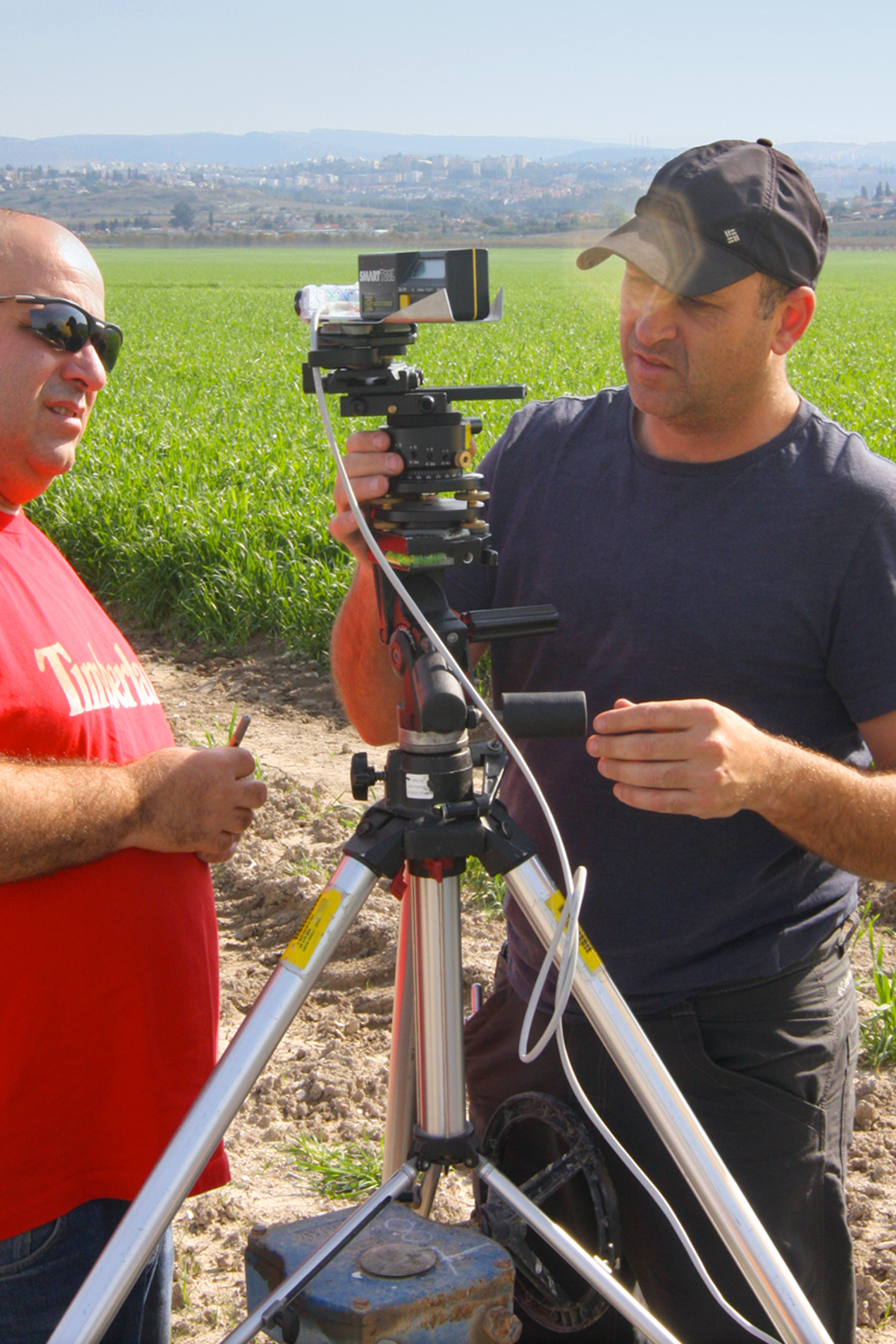
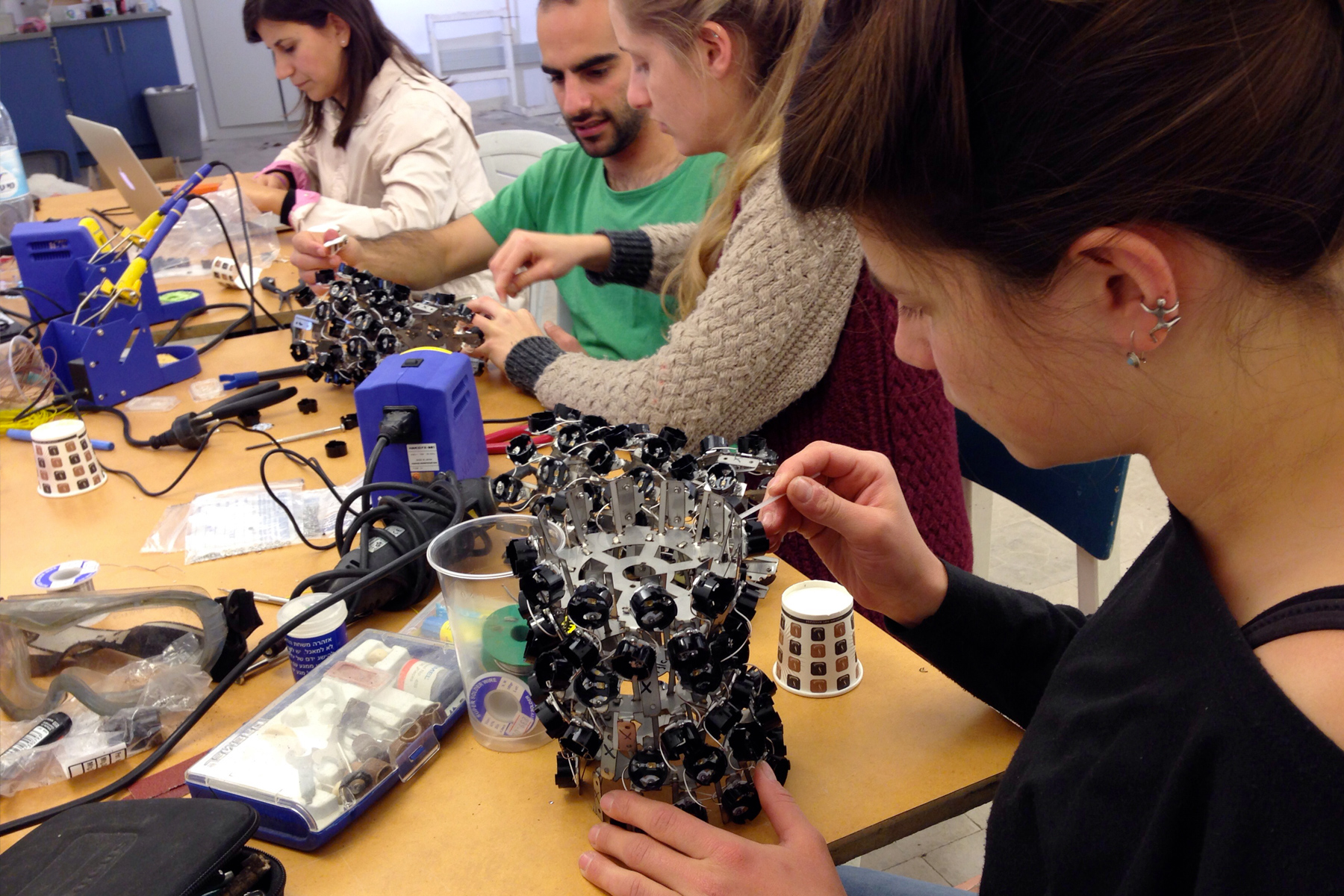
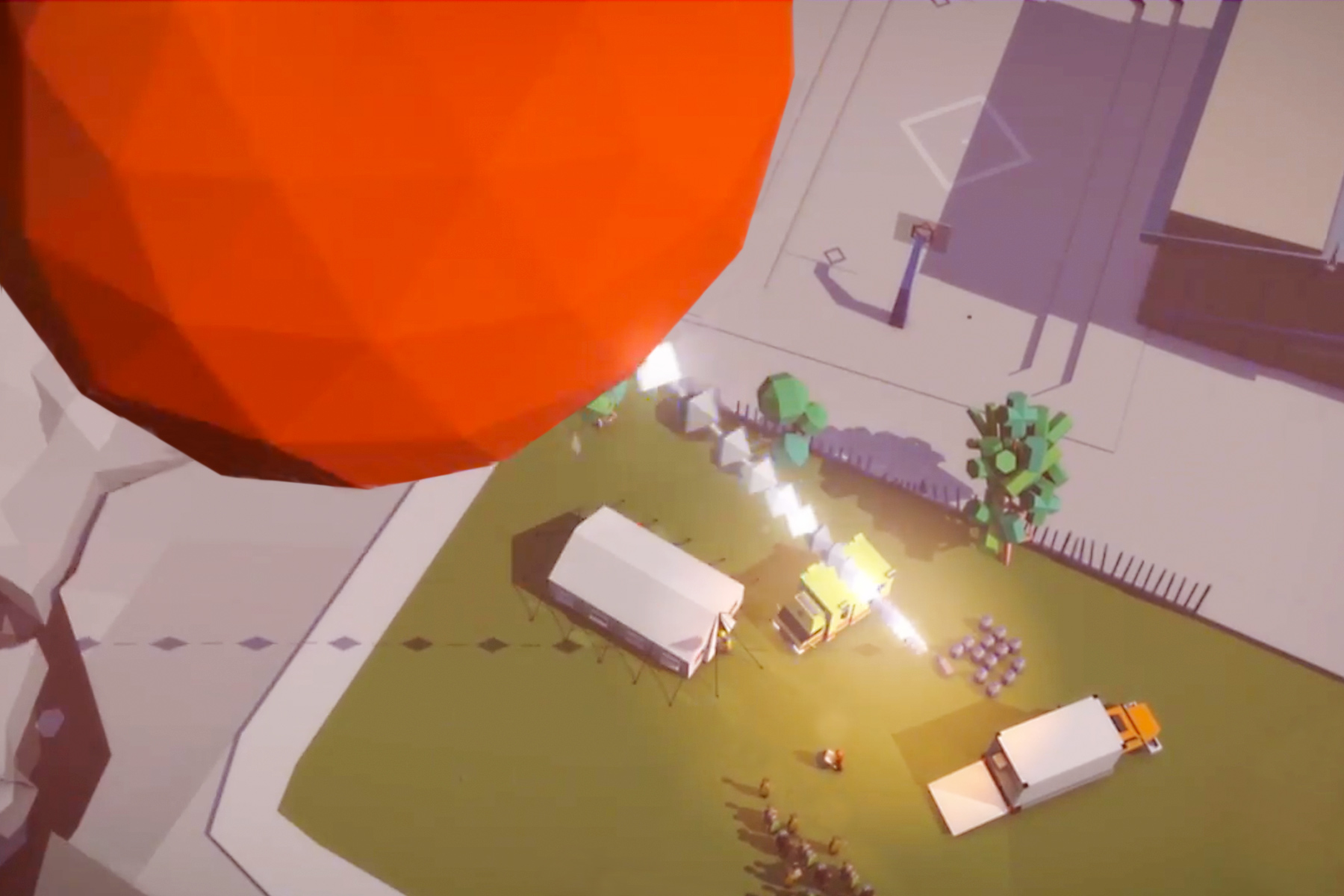
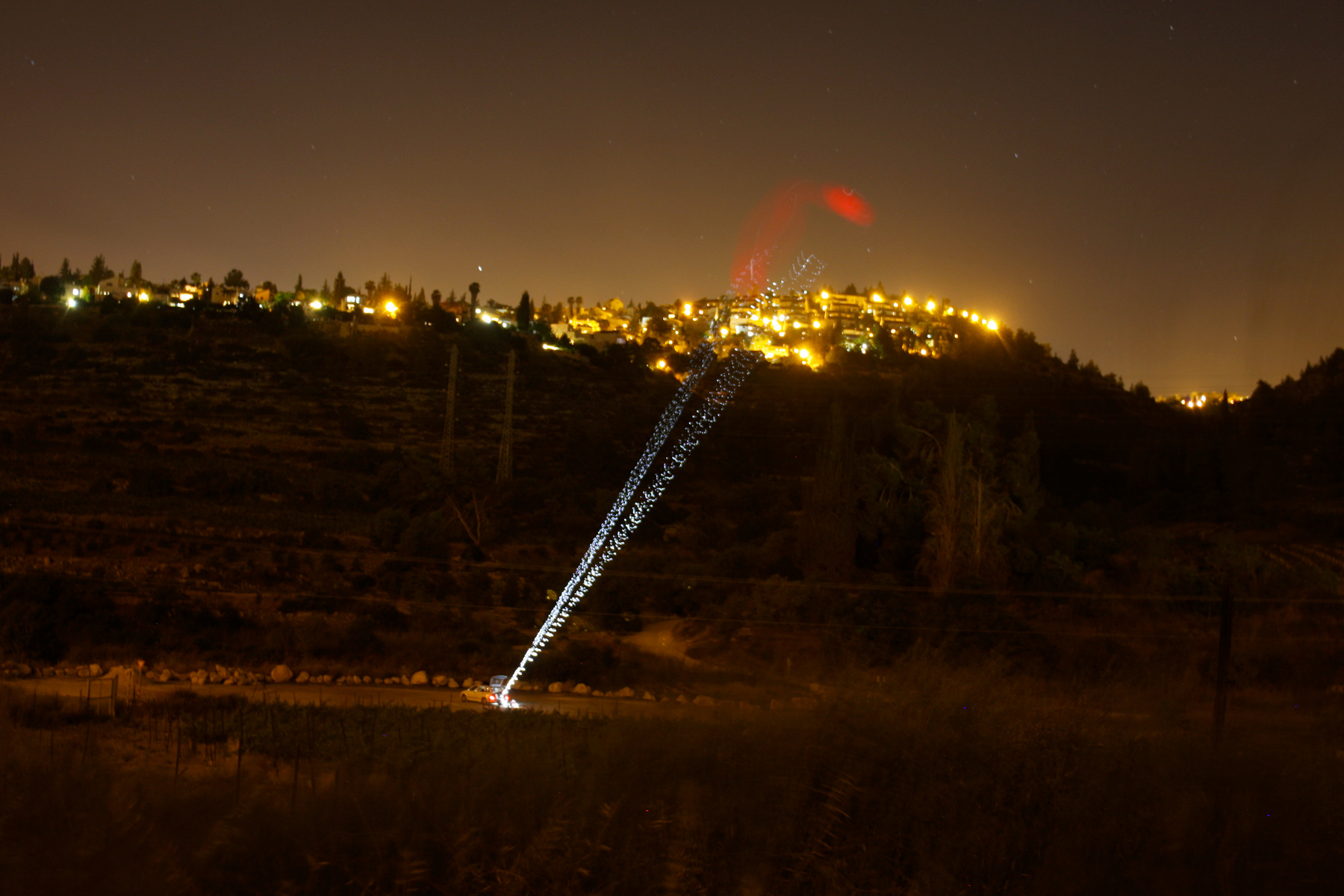
Urban environment emergency creates major challenges for city residents and for those responsible for their safety and well-being. Managing an urban-scale disaster involving tens or hundreds of thousands of people requires meticulous planning, effective operating procedures and reliable product support. The HopeSpot project was created to provide an efficient, cost-effective and immediately available tool to address communication challenges and crowd messaging during an emergency. The balloon-based system is also highly useful for managing mass events in times of peace. What began as a creative interdepartmental collaboration within Bezalel Academy quickly expanded into a broader interinstitutional effort, involving academic partners, government officers, industrialists and security development organizations in Israel and abroad. HopeSpot was developed within the framework of DESURBS – Designing Safer Urban Spaces, a multidisciplinary research project funded through the European Union’s Seventh Framework Programme (FP7) for research, technological development and demonstration, grant agreement no. 261652.
Related publication:
Lederman, E., Singer, R. “Integrated Design and Urban Resilience – Designing HopeSpot: A Case Study in Applied Design Research for DRR.” In Med.Net3 Resili(g)ence – Add Scientific Meeting, Gausa, M., Fagnoni, R., Andriani, C. (Eds.), Papersdoc, Barcelona, 2017, pp. 496–502. ISBN 978-84-16294-16-8.