OPTIMAL VISUAL CUES FOR SMARTPHONE EARTHQUAKE ALERT SYSTEMS
Searching for the best ways to use smartphones for earthquake early warning
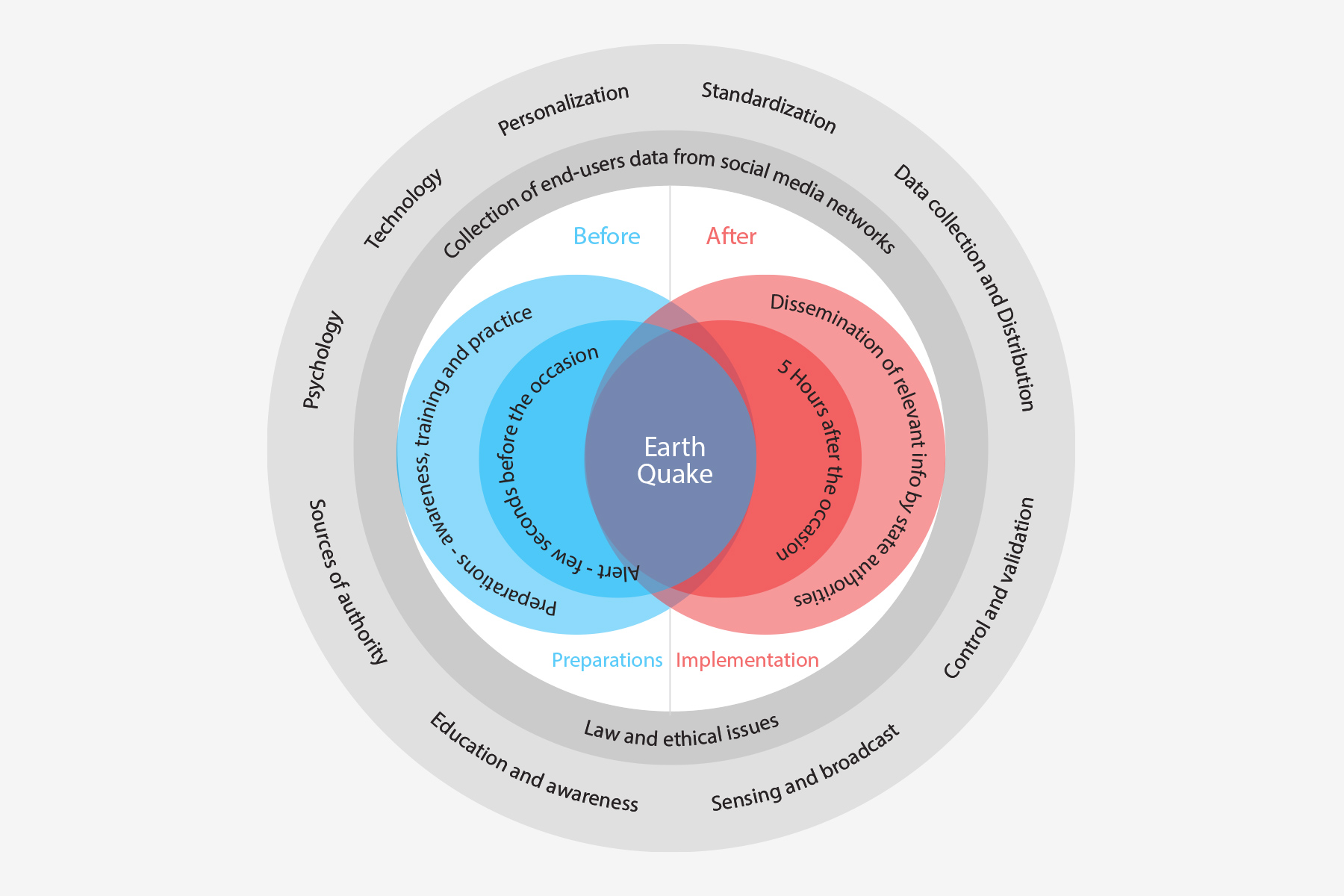
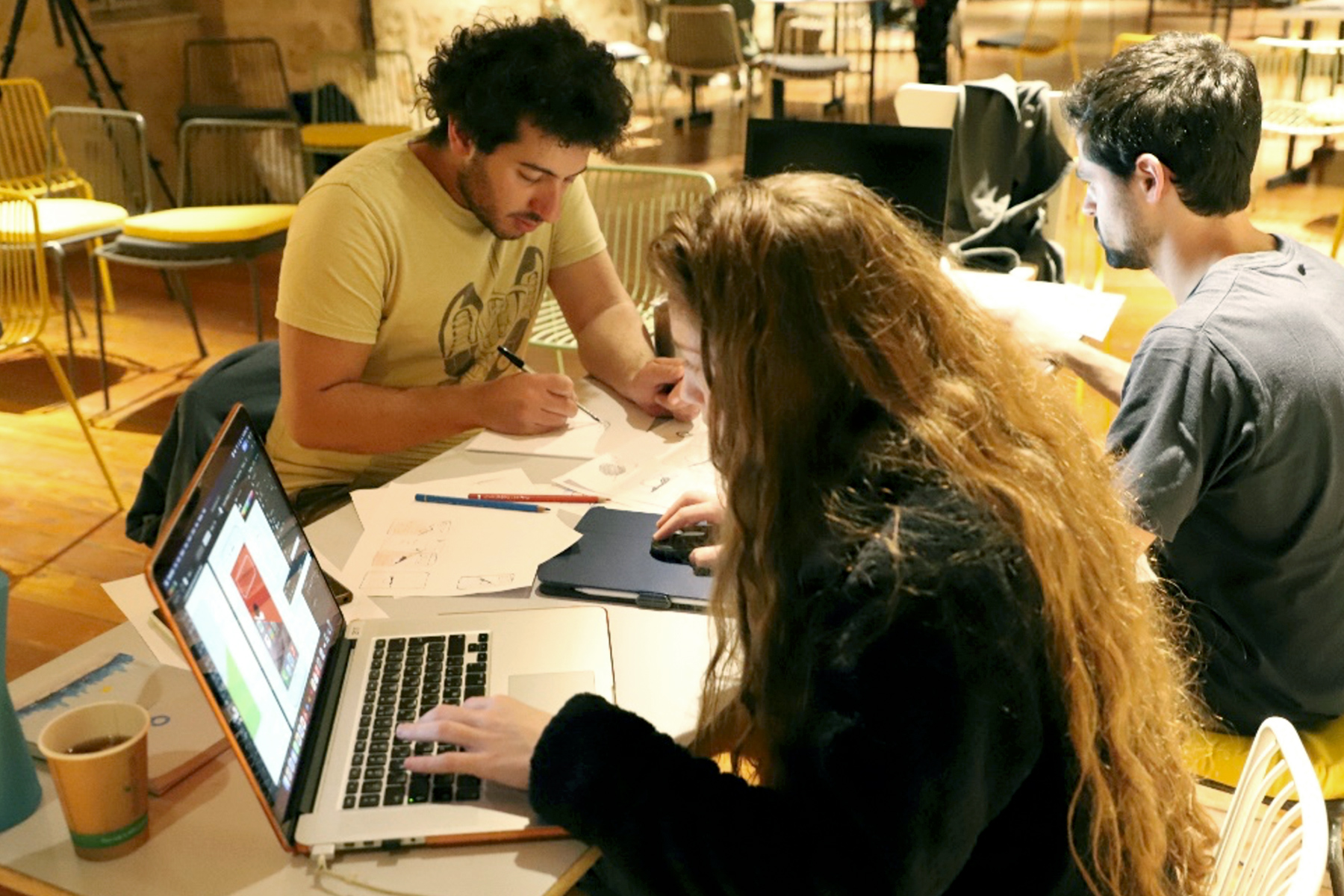
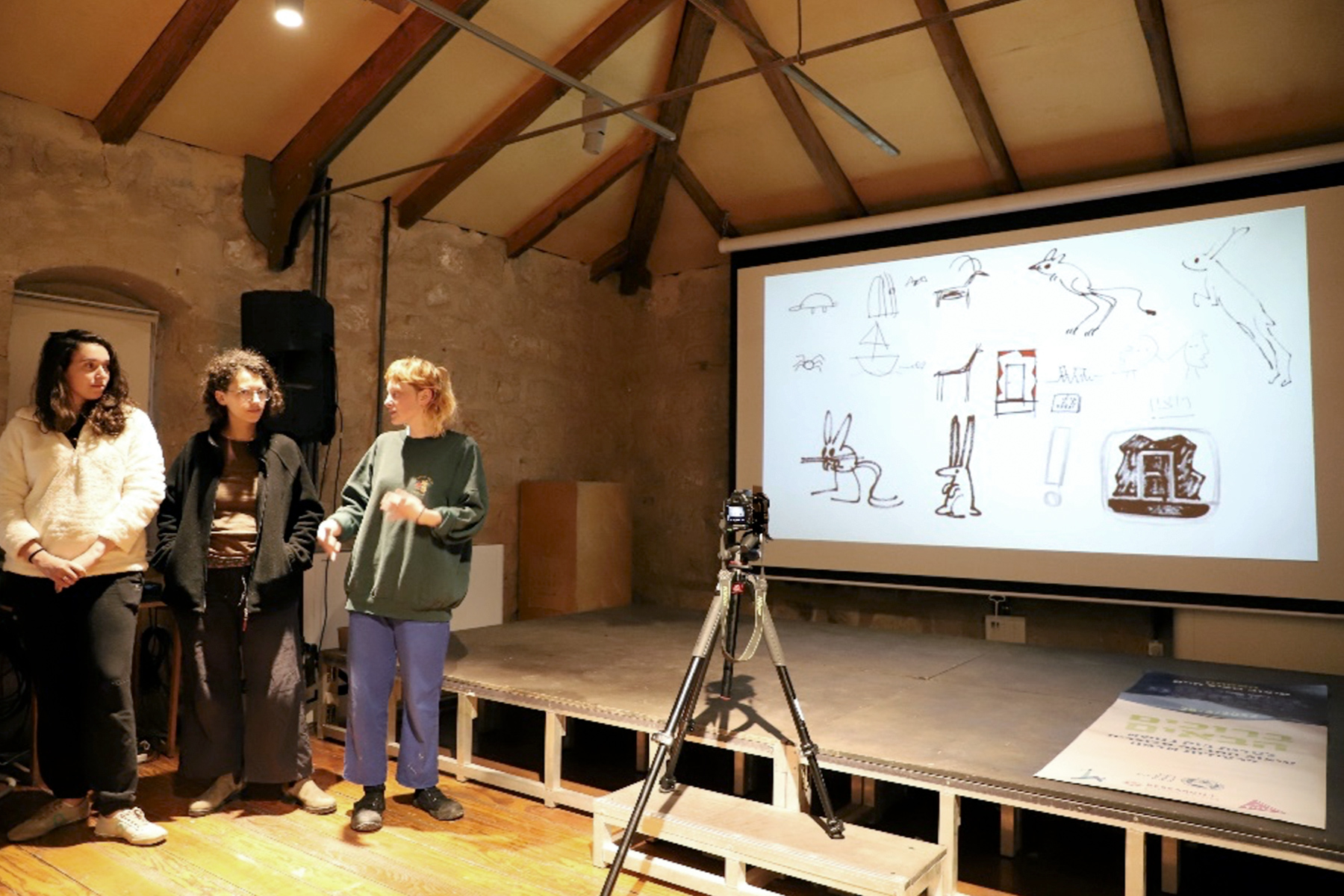
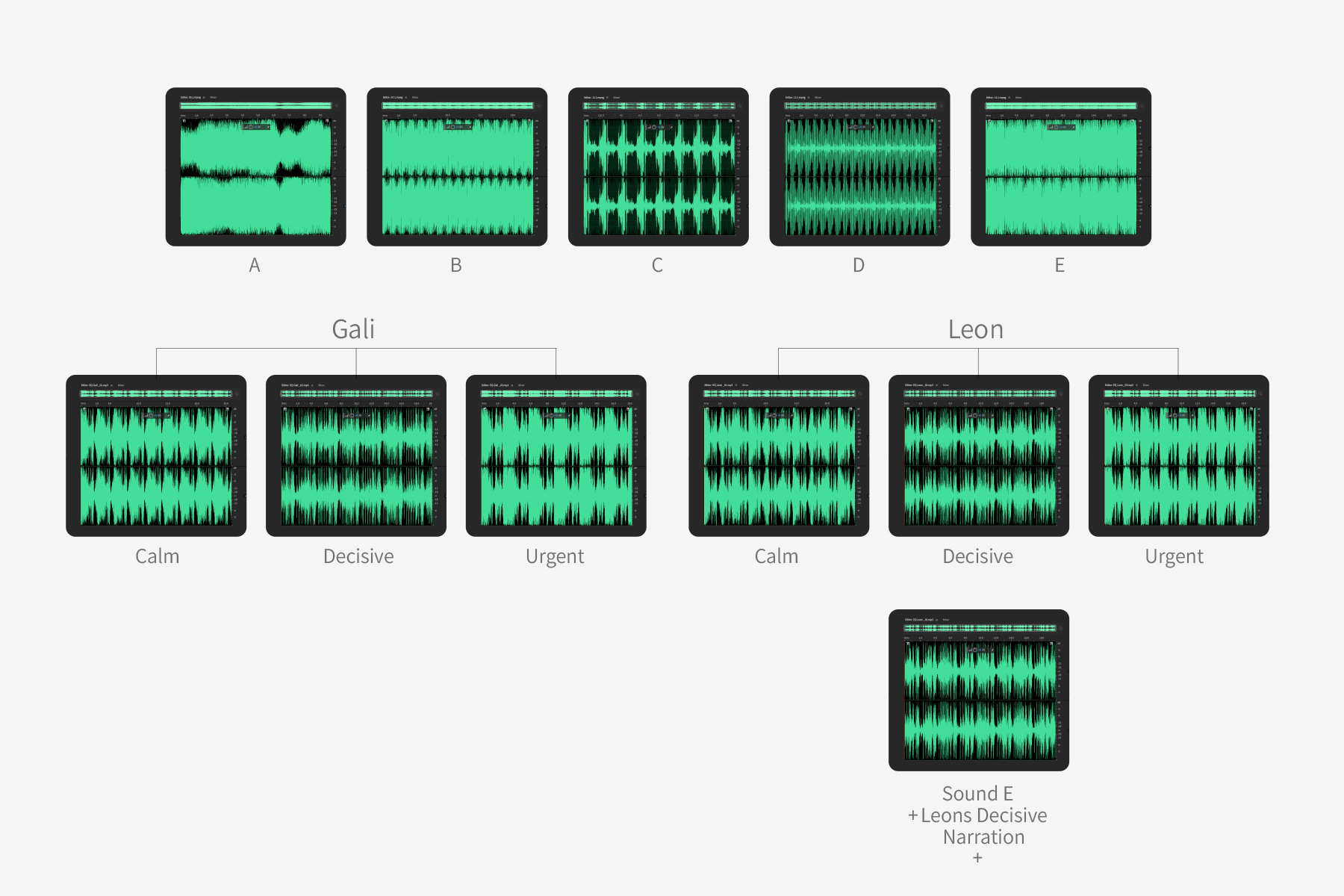
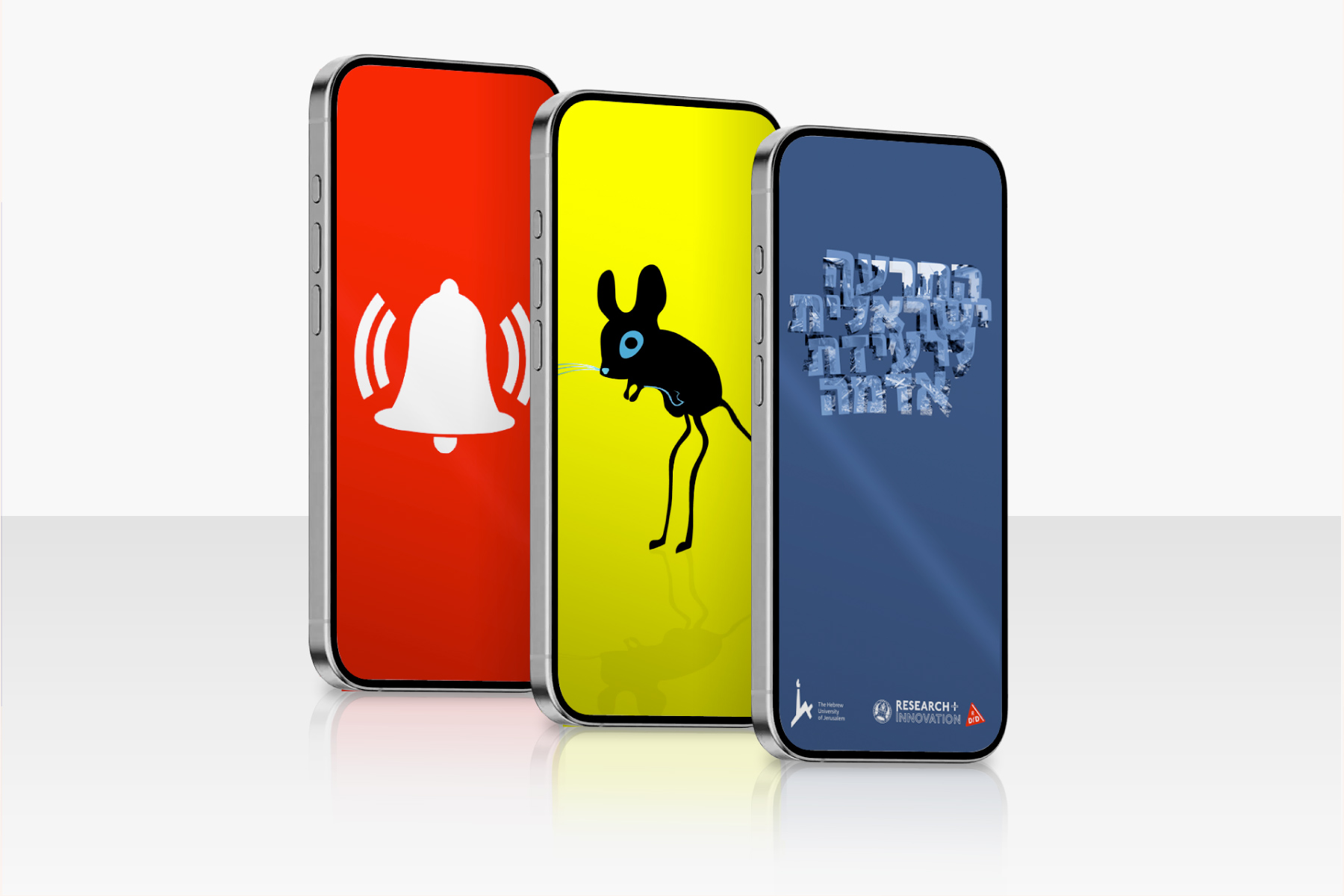
Earthquake early-warning systems present a rare and demanding challenge: alerts must interrupt daily activity within seconds and guide people toward protective action without hesitation. This study explored how smartphone-based messages can achieve that shift from routine to emergency, examining how visual, auditory and behavioral cues capture attention under extreme time pressure. By integrating design, cognitive psychology and human–machine interaction, the research sought to understand how an alert can be perceived instantly, absorbed intuitively and translated into clear motor response. Supported by Israel’s National Emergency Management Authority (NEMA), the project lays an evidence-based foundation for designing more effective, life-saving alerts. The study was conducted in collaboration between Bezalel’s RDFD Lab, the Neuropsychology Lab at the Hebrew University of Jerusalem, and eVigilo Emergency Mass Notification Solutions.
Related publication:
Lederman, E. et al. “Optimal Visual Cues for Smartphone Earthquake Alert Systems: Preliminary Data from Lab and Field Experiment.” In AI and Robotics in Disaster Studies, Disaster Research and Management Series on the Global South, Kumar, T.V.V., Sud, K. (Eds.), Palgrave Macmillan, Singapore, 2020, pp. 47–62.