PAUC – PROVISIONAL ACCOMMODATION FOR UPROOTED COMMUNITIES
Between emergency and recovery – the twilight zone following a destructive earthquake
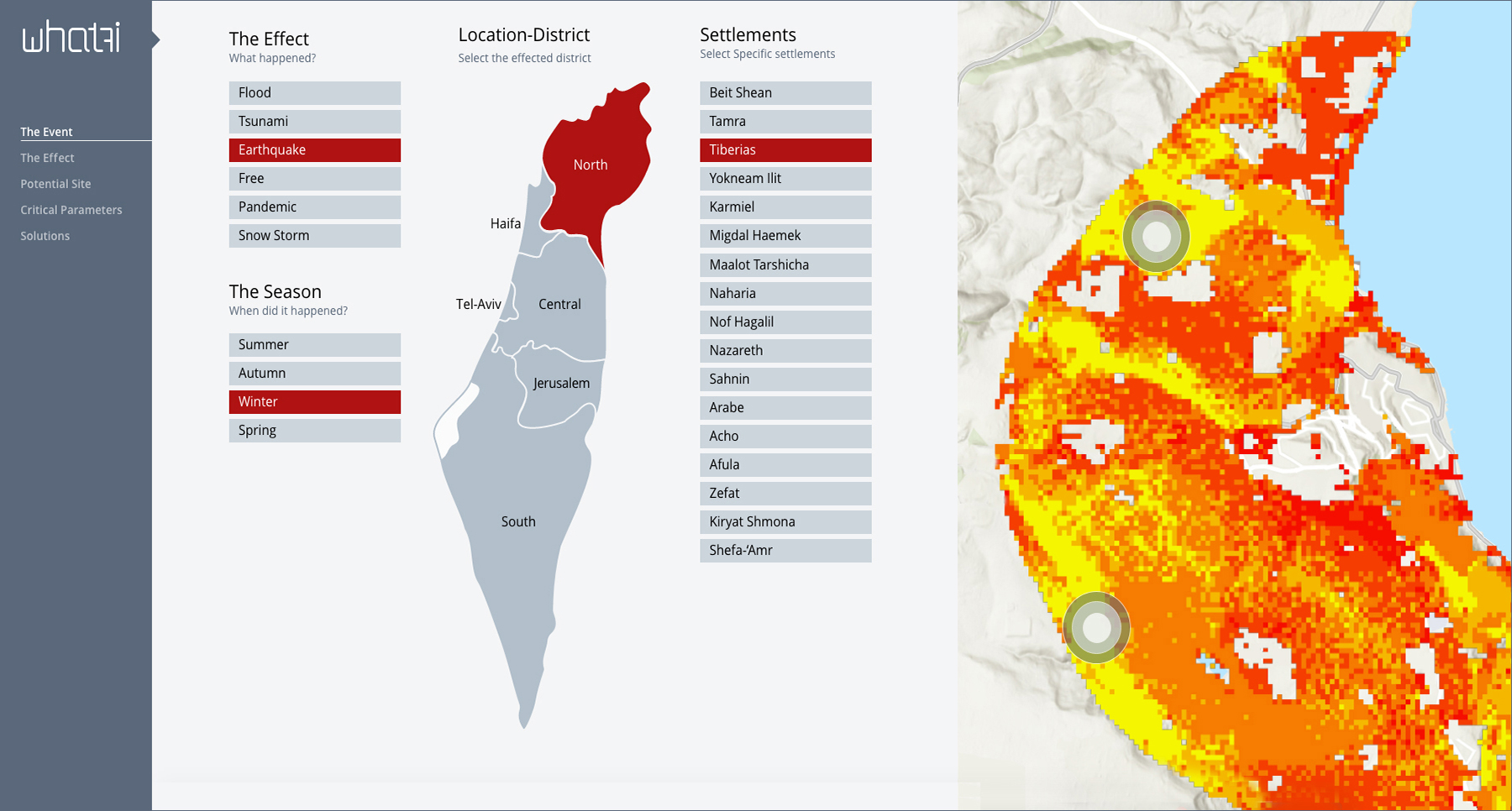
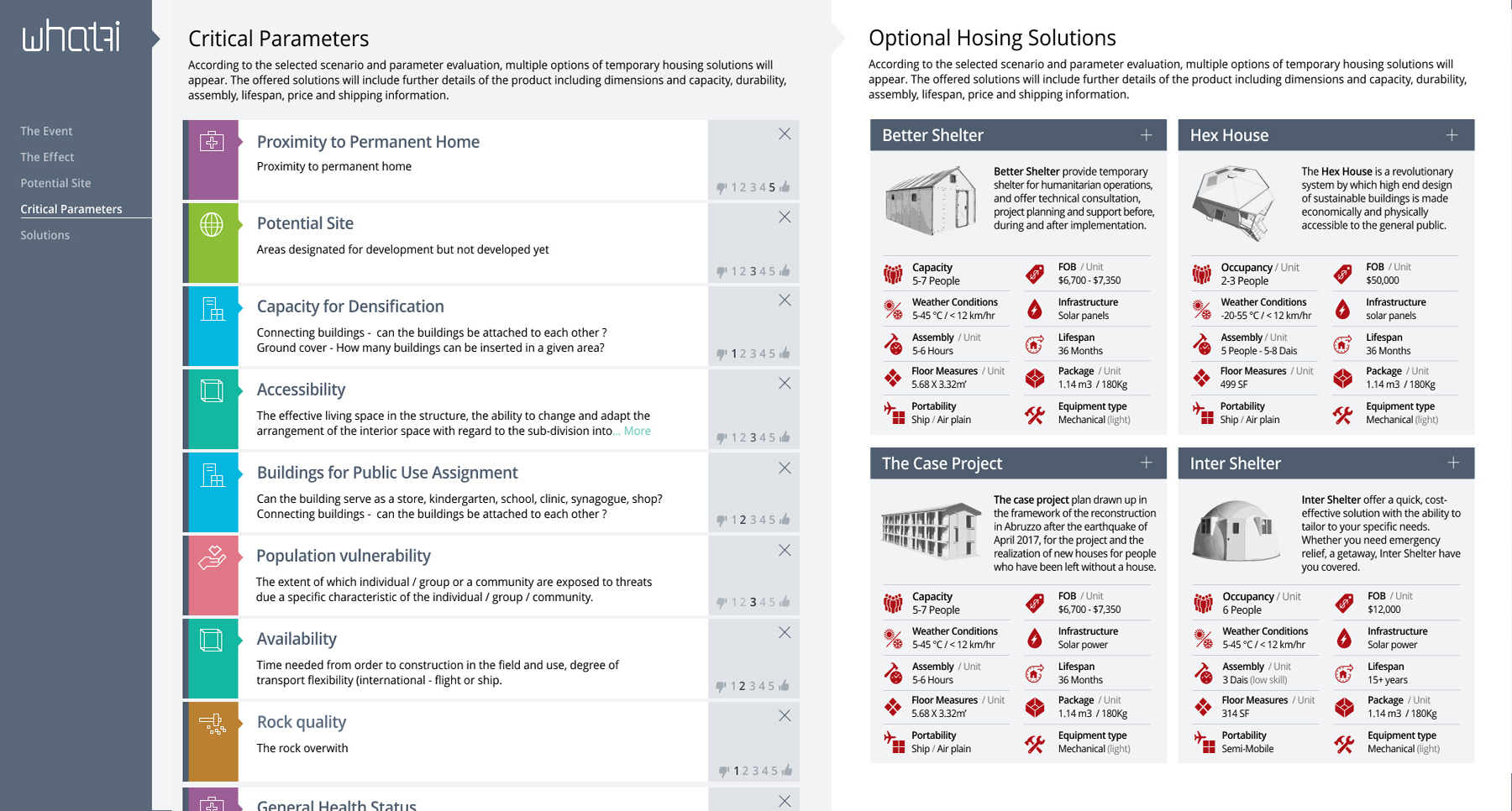
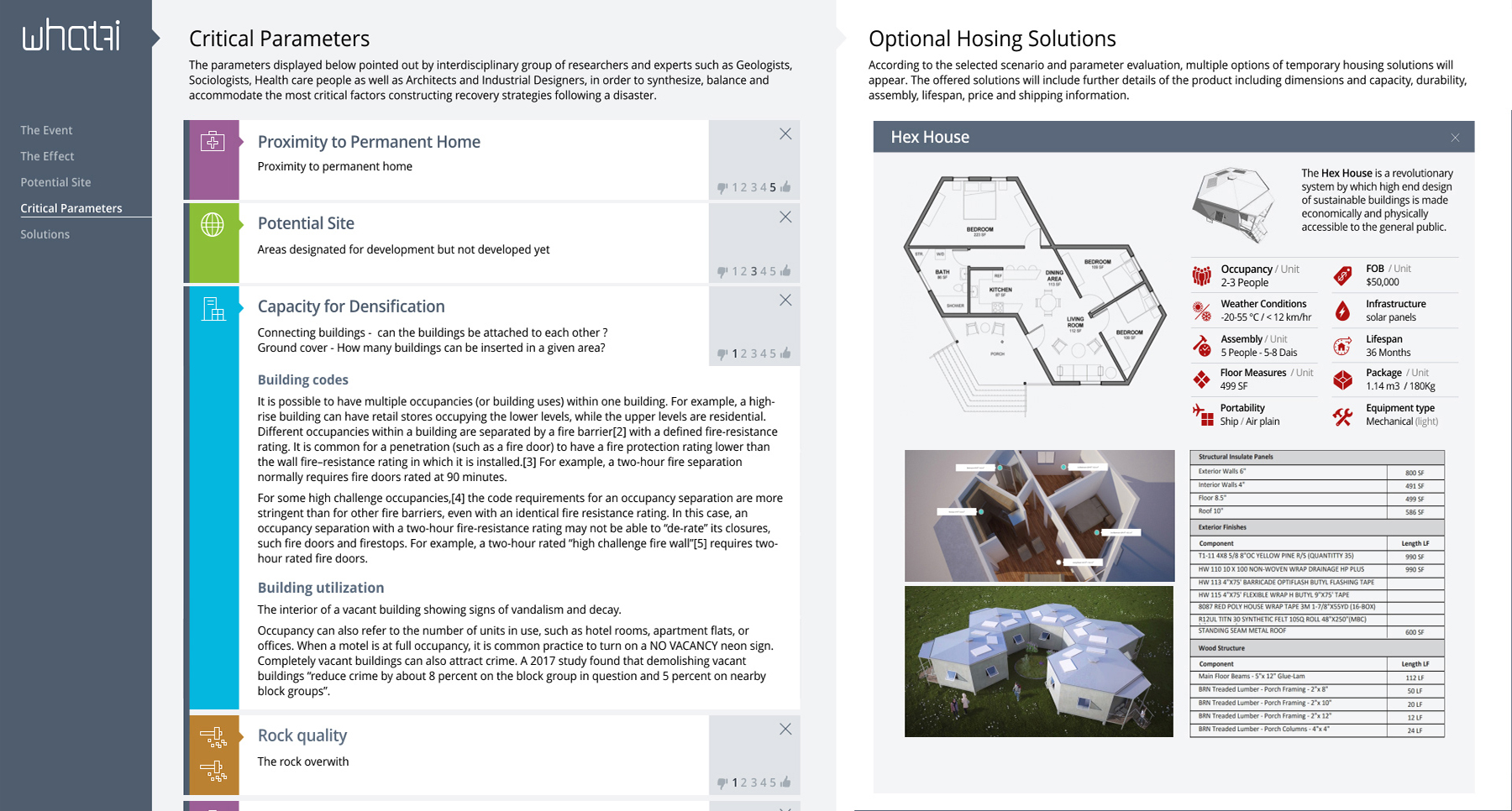
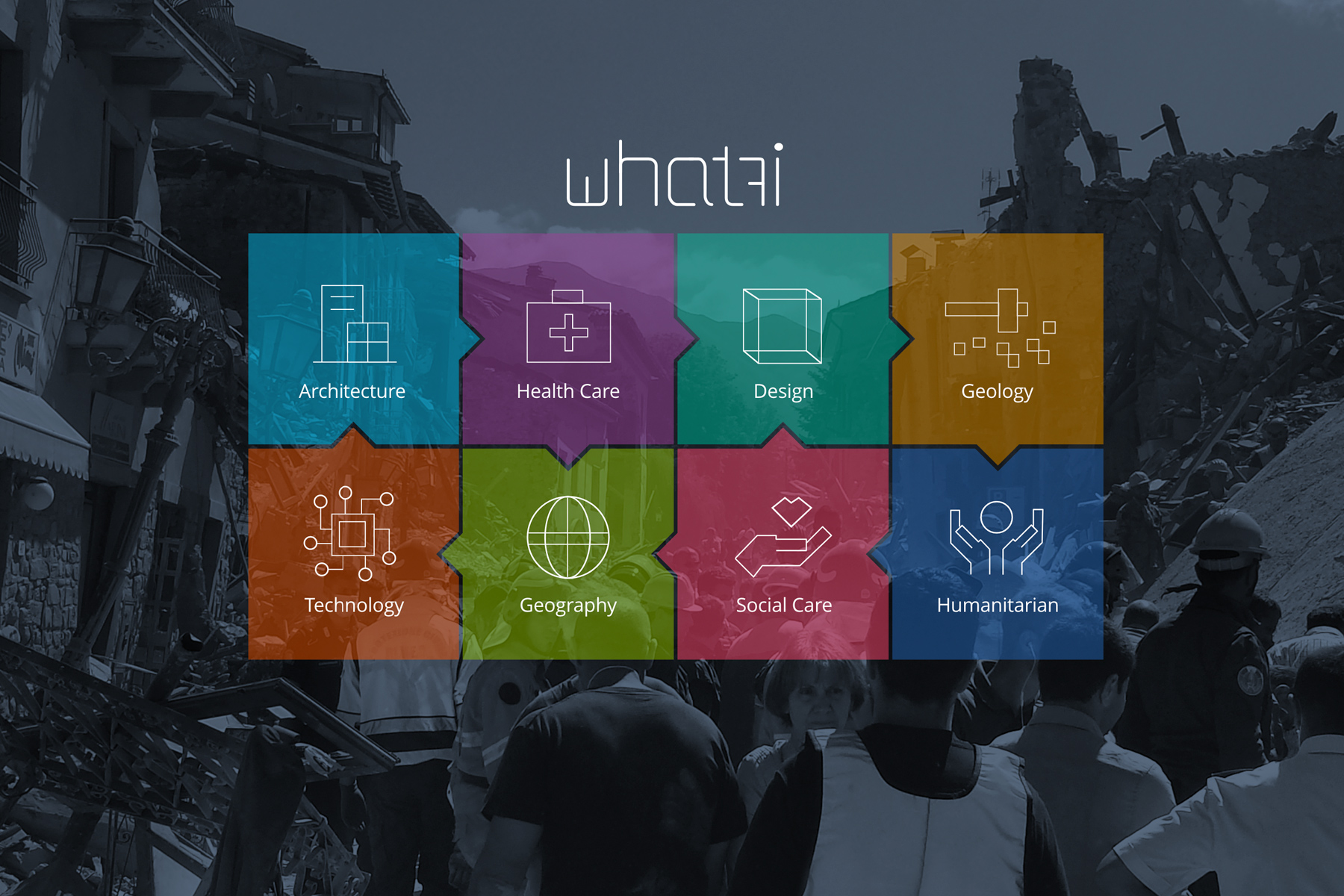
Large-scale disasters often leave communities uprooted for months or even years, yet many existing temporary housing solutions fail to address cultural needs, social structures or the practical realities of affected populations. The PAUC project set out to define the optimal conditions for establishing temporary settlements in the critical period between emergency response and long-term recovery. The research aimed to develop a unified decision-support tool that helps governments and aid organizations evaluate field conditions, learn from past experiences and choose appropriate housing strategies for diverse scenarios. Built on extensive interdisciplinary collaboration across geology, geography, urban design, architecture, industrial design, humanitarian aid, healthcare and technology, the project proposes a framework that integrates multiple perspectives into a clear and actionable guide. PAUC outlines a range of temporary dwelling solutions tailored to different community profiles, offering decision makers a coherent and humane basis for planning recovery efforts.
Collaboration:
Bezalel RDFD Lab, Hebrew University of Jerusalem, Lev Jerusalem College of Technology, The Israeli School of Humanitarian Action.
Contributors: Mike Turner, Tomer Shemi, Eran Feitelson, Amoz Agnon, Moshe Weinstein, Einav Levi.